الاثنين، 24 أبريل 2023

? If there are no new ideas, how do we keep innovating إذا لم تكن هناك أفكار جديدة ، فكيف نستمر في الابتكار؟


A Columbia Business School professor argues that all innovators are strategic copiers


Author Headshot

By Peter Coy

Opinion Writer


 In “Think Bigger: How to Innovate,” Iyengar writes

In 1903, Mark Twain wrote a letter to Helen Keller. She had been accused of plagiarism. Twain consoled her, writing that “substantially all ideas are second hand, consciously or unconsciously drawn from a million outside sources.” He went on: “It takes a thousand men to invent a telegraph or a steam engine, or a phonograph, or a telephone, or any other important thing — and the last man gets the credit and we forget the others. He added his little mite — that ninety-nine parts of all things that proceed from the intellect are plagiarisms, pure and simple.” The whole, glorious passage is here

Now comes a book by Sheena Iyengar, who is herself blind, that I’m tempted to call original, except that she (like Twain) would undoubtedly insist that there’s nothing new under the sun. In “Think Bigger: How to Innovate,” Iyengar writes that thinking bigger is about assembling old ideas in a new way. Sounding much like Twain in 1903, she writes that all successful innovators are “strategic copiers,” who “learned from examples of success, extracted the parts that worked well, imagined new ways of using those pieces, and combined them to create something new and meaningful”


There’s a fable that Isaac Newton, one of history’s greatest scientists, thought of the theory of gravity in a flash when an apple fell on his head. In reality, Newton built on the work of the Scottish mathematician David Gregory, the Belgian mathematician René-François Walter de Sluse and the German astronomer Johannes Kepler, among others. Newton explained his method of innovation when he wrote in 1675, “If I have seen further, it is by standing on the shoulders of giants”

Leonardo da Vinci, was constantly learning about many different things — physics, chemistry, anatomy, engineering, painting, and sculpting,”  Sheena Iyengar writes. “I consider him the first person in recorded history to consciously recognize the value of searching out of domain to generate new ideas”

Iyengar, the daughter of immigrants from India, grew up in New York City. She was partially blind at birth and gradually lost the rest of her sight 

She recalls trying to take in the Statue of Liberty on field trips: “Perhaps I never saw her with my own eyes. Or if I did, she was a giant blur — and even up close, an amalgam of smaller blurs that I could not make coherent.” She graduated from the University of Pennsylvania in 1992 with dual degrees from the College of Arts and Sciences and the Wharton School, then earned her doctorate in social psychology from Stanford in 1997. She has been at Columbia Business School since 1998 and was the faculty director of the Eugene Lang Entrepreneurship Center in 2014 and 2015


يجادل أستاذ بكلية كولومبيا لإدارة الأعمال بأن جميع المبتكرين هم "ناسخون إستراتيجيون"


كتبت شينا ينغار في كتابها "فكر بشكل أكبر: كيف تبتكر" :
في عام 1903 ، كتب مارك توين رسالة إلى هيلين كيلر. كانت قد اتهمت بالسرقة الأدبية. وقد عزاها توين ، فكتب لها أن "كل الأفكار إلى حد كبير هي أفكار مستعملة ، بوعي أو بغير وعي ، مأخوذة من مليون مصدر خارجي."
استطرد قائلاً: "يتطلب الأمر ألف رجل لاختراع تلغراف أو محرك بخاري أو فونوغراف أو هاتف أو أي شيء آخر مهم - والرجل الأخير ينسب إليه الفضل كله وننسى الآخرين. ثما أضاف لمسته الصغيرة - أن تسعة وتسعين جزءًا من كل الأشياء التي تنبثق من العقل هي سرقات أدبية ، خالصة وبسيطة ". الممر الكامل المجيد here

يأتي الآن كتاب من تأليف شينا ينجار ، هي نفسها عمياء ، وأنا أميل إلى وصفه بأنه أصلي ، إلا أنها (مثل توين) ستصر بلا شك على أنه لا يوجد شيء جديد تحت الشمس. في كتابها "فكر بشكل أكبر: كيف تبتكر" ، كتب ينجار: أن التفكير الأكبر يتعلق بتجميع الأفكار القديمة بطريقة جديدة. بدت تشبه إلى حد كبير توين في عام 1903 ، كتبت أن جميع المبتكرين الناجحين هم "ناسخون إستراتيجيون" ، "تعلموا من أمثلة النجاح ، واستخرجوا الأجزاء التي نجحت بشكل جيد ، وتخيلوا طرقًا جديدة لاستخدام تلك القطع ، ودمجوها لخلق شيء جديد و ذو معنى."

هناك حكاية أن إسحاق نيوتن ، أحد أعظم علماء التاريخ ، فكر في نظرية الجاذبية في لمح البصر عندما سقطت تفاحة على رأسه. في الواقع ، بنى نيوتن على أعمال عالم الرياضيات الاسكتلندي ديفيد جريجوري ، وعالم الرياضيات البلجيكي رينيه فرانسوا والتر دي سلوز ، وعالم الفلك الألماني يوهانس كيبلر ، من بين آخرين.
 شرح نيوتن طريقته في الابتكار عندما كتب wrote عام 1675 ، "إذا كنت رأيت المزيد ، فهذا لأنني قمت بالوقوف على أكتاف العمالقة."
كان ليوناردو دافنشي يتعلم باستمرار عن العديد من الأشياء المختلفة - الفيزياء والكيمياء والتشريح والهندسة والرسم والنحت ، "كتبت  Sheena Iyengar "أعتبره أول شخص في التاريخ المسجل يدرك بوعي قيمة البحث خارج المجال لتوليد أفكار جديدة"

ينغار، ابنة مهاجرين من الهند ، نشأت في مدينة نيويورك. كانت عمياء جزئيًا عند الولادة وفقدت بقية بصرها تدريجيًا. تتذكر محاولتها أخذ تمثال الحرية في رحلات ميدانية: "ربما لم أرها بأم عيني. أو إذا فعلت ذلك ، فقد كانت ضبابية عملاقة - وحتى عن قرب ، مزيج من التمويه الأصغر الذي لم أستطع جعله متماسكًا ". تخرجت من جامعة بنسلفانيا في عام 1992 بدرجة مزدوجة من كلية الآداب والعلوم وكلية وارتون ، ثم حصلت على الدكتوراه في علم النفس الاجتماعي من ستانفورد في عام 1997. التحقت بكلية كولومبيا للأعمال منذ عام 1998 وكانت مديرة مركز يوجين لانج لريادة الأعمال بالكلية في عامي 2014 و 2015.


ENFRWC الشبكة المصرية

 أثني عشر عام مكرسة لخدمة القطاع الناشئ

 Years Devoted to serving the RE sector & Water fields Twelve

More than 131.000 Followers worldwide

اكثر من 131.000 متابع حول العالم

الخميس، 20 أبريل 2023

Cop28 will 'move beyond setting goals to achieving them', President Sheikh Mohamed says يقول الرئيس الشيخ محمد إن COP28 "سيتجاوز تحديد الأهداف إلى تحقيقها"


UAE leader sets out priorities as US President Joe Biden tells nations to 'show up in Dubai with 2030 targets'


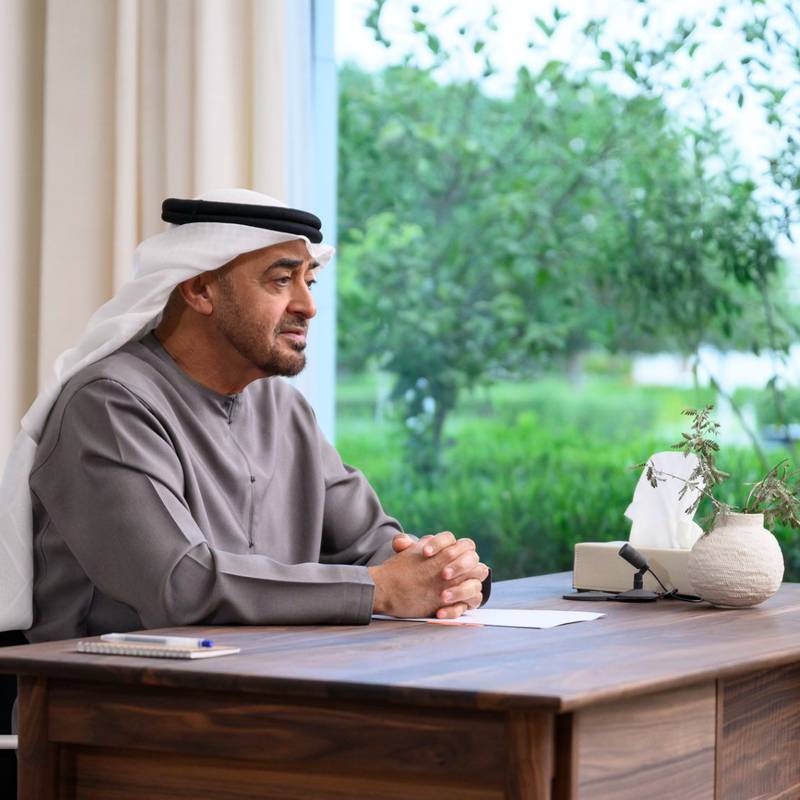
President Sheikh Mohamed speaks at the Major Economies Forum on Energy and Climate, which was hosted by US President Joe Biden. Photo: UAE Ministry of Presidential Affairs


President Sheikh Mohamed has set the scene for the Cop28 climate summit by urging nations to move “beyond setting goals to achieving them”

As host nation, the UAE will focus on getting concrete commitments to turn the tide of climate change

Sheikh Mohamed spoke as world leaders attended a virtual climate event hosted by US President Joe Biden

“Today at the Major Economies Forum on Energy and Climate, we agreed on a joint commitment to accelerate action aimed at combating climate change,” Sheikh Mohamed said on Twitter

 “As the host of Cop28, the UAE will focus efforts on moving beyond setting goals to achieving them”

In a statement carried by state news agency Wam, Sheikh Mohamed stressed the importance of developed countries fulfilling their pledge to provide $100 billion to developing countries

Opening the forum, Mr Biden urged governments to come to Dubai in November with achievable targets

“Look, as we look forward to Cop28, we all need to show up in Dubai with 2030 targets, and actions aligned with the Paris temperature goals,” he said

“We're already seeing the signs of what's to come if we don't

“More severe droughts, more floods, seas rising, temperatures rising, weather instability, market unpredictability

“Together, we can't keep the goal of limiting warming to just no more than 1.5ºC, it's within our reach, if we make progress on the four key things we have to discuss today”

Failure to keep global warming to 1.5ºC above preindustrial levels will, climate scientists say, bring the world to the point of no return

Rising temperatures are closely linked to extreme weather events and crop failure, and scorching heat will leave some parts of the world uninhabitable

To keep this from occurring, emissions — caused by the burning of fossil fuels, heavy industry and mass food production, among other factors — must be cut by more than 40 per cent by 2030


A key aspect of Cop28 in Dubai will be a global “stocktake” on action agreed to in Paris in 2015, and the need to spend trillions of dollars on renewables and clean sources of energy

“The UAE was the first Gulf country to ratify the Paris Agreement, and the first in the region to commit to reducing emissions in all economic sectors by the year 2030,” Sheikh Mohamed said

“It has also announced its strategic initiative to achieve climate neutrality by 2050. We have invested over $150 billion in climate action and have ambitious plans for further investments in this field in the future”

He said the Cop28 UAE Presidency will be committed to achieving transformative climate action, moving from deliberation to action, and delivering a comprehensive action plan for the benefit of all people and the planet

“Energy and climate change are closely intertwined,” Sheikh Mohamed said

“And thus it is essential that the world accelerates its logical, realistic, and balanced transition in the energy sector by increasing renewable energy production capacity by at least three times and doubling hydrogen production

“It is crucial to enhance international co-operation in technology transfer and provide the necessary financing to support the energy transition and address the losses and damages, especially in the Global South and communities most vulnerable to the impacts of climate change”

Mr Biden announced $1 billion in US funding during the virtual forum and requested $500 million for the Amazon Fund to combat deforestation in Brazil

He invited other MEF countries to join the US in raising at least $200 million by Cop28 to help developing countries mitigate their own methane emissions

The countries that take part in the forum account for about 80 per cent of the world's greenhouse gas emissions and global gross domestic product, according to the White House

The lowest-income countries produce one tenth of global emissions, but are the most heavily affected by climate change, the World Bank reported. Climate change effects in these countries include health problems, food and water stress, and more

Mr Biden's remarks echo concerns voiced earlier this month in a roundtable discussion with Cop28 President-designate Dr Sultan Al Jaber, International Monetary Fund managing director Kristalina Georgieva, and Mark Carney, UN special envoy for climate action

“For vulnerable communities, across the Global South, climate finance is nowhere near available, affordable or accessible enough,” said Dr Al Jaber, who is also UAE Minister of Industry and Advanced Technology Antonio Guterres urged the international community to “put a price on carbon” and shift fossil fuel subsidies to finance a “just transition” to renewables

“The International Energy Agency estimated that these subsidies came to $1 trillion in 2022 — which is insanity,” said Mr Guterres

“Today’s policies would make our world 2.8°C hotter by the end of the century … and this is a death sentence”


  : Listen to the report in Two language

https://www.thenationalnews.com/climate/cop28/2023/04/20/cop28-will-move-beyond-setting-goals-to-achieving-them-president-sheikh-mohamed-says/


ENFRWC الشبكة المصرية

 أثني عشر عام مكرسة لخدمة القطاع الناشئ

 Years Devoted to serving the RE sector & Water fields Twelve

More than 131.000 Followers worldwide

اكثر من 131.000 متابع حول العالم


الأربعاء، 19 أبريل 2023

E.U : Household Energy Price Index (HEPI) الاتحاد الاروبي : مؤشر أسعار الطاقة المنزلية (HEPI).


To correct for a persistent lack of current, frequently updated and methodologically reliable information on household prices for both electricity and gas at the European level, the Austrian energy regulator (Energie-Control) and the Hungarian Energy and Public Utility Regulatory Authority (MEKH) have commissioned VaasaETT to compile and publish electricity and gas price-rankings in 33 European capital cities on a monthly basis starting from January 2009 with the EU15 countries and gradually expanded to the all of the EU Member States in addition to selected members of the European Energy Community (Montenegro, Norway, Serbia, and Ukraine), plus Great Britain and Switzerland

This study is known under the name Household Energy Price Index (HEPI)

The HEPI methodology was developed, tested, and improved over several months. The details as well as the background data were shared with every national regulator in the countries covered before the “go-live” of the study and their comments taken into account to ensure wild acceptance of the publications


لتصحيح النقص المستمر في المعلومات الحالية والمحدثة بشكل متكرر والموثوقة منهجياً حول أسعار المنازل لكل من الكهرباء والغاز على المستوى الأوروبي ، فإن منظم الطاقة النمساوي (المتحكم في الطاقة) والهيئة المجرية للطاقة والمرافق العامة (MEKH) كلفت VaasaETT بتجميع ونشر تصنيفات أسعار الكهرباء والغاز في 33 عاصمة أوروبية على أساس شهري بدءًا من يناير 2009 مع دول الاتحاد الأوروبي الخمسة عشر والتوسع تدريجياً ليشمل جميع الدول الأعضاء في الاتحاد الأوروبي بالإضافة إلى أعضاء مختارين من مجتمع الطاقة الأوروبي (الجبل الأسود والنرويج وصربيا وأوكرانيا) ، بالإضافة إلى بريطانيا العظمى وسويسرا.
تُعرف هذه الدراسة باسم مؤشر أسعار الطاقة المنزلية (HEPI).

تم تطوير منهجية HEPI واختبارها وتحسينها على مدار عدة أشهر. تمت مشاركة التفاصيل بالإضافة إلى البيانات الأساسية مع كل جهة تنظيمية وطنية في البلدان التي تمت تغطيتها قبل "بدء التشغيل" للدراسة وأخذت تعليقاتهم في الاعتبار لضمان القبول الواسع للمنشورات.


https://www.energypriceindex.com


ENFRWC الشبكة المصرية

 أثني عشر عام مكرسة لخدمة القطاع الناشئ

 Years Devoted to serving the RE sector & Water fields Twelve

More than 131.000 Followers worldwide

اكثر من 131.000 متابع حول العالم


الخميس، 13 أبريل 2023

Survey of Europeans about the feasibility of combating climate change استطلاع راي الاوروبيين حول جدوي مكافحة تغير المناخ


Two-thirds of the people in Europe (66%) support stricter government measures to change people’s individual behavior to tackle climate change, according to the second part of the European Investment Bank’s (EIB) climate survey for 2022-2023. The level of support is highest in Portugal (84%), whereas only 48 percent of respondents in the Netherlands are in favour of more government action to push for changes in behaviour. Across all countries surveyed, nearly three-quarters of respondents (72%) are convinced that their own behaviour can make a difference in addressing the climate emergency. A majority of European respondents (56%) say they support a carbon budget system that would allocate each individual a fixed number of yearly credits to be spent on items with a big carbon footprint (non-essential goods, flights, meat, etc.), writes EIB. In comparison, Chinese respondents strongly favour such a measure (83%), while Americans are less supportive, with less than half in favour (49%), it adds

Polls have revealed that climate has become a top issue almost everywhere across the EU. The EIB – which calls itself the world’s biggest multilateral financial institution and one of the largest providers of climate finance – has annually commissioned its climate survey since 2018. The 2022/2023 edition was released in two parts. While results from the first part, released last year, had put a spotlight on citizens’ views surrounding the impacts of the war in Ukraine and the recent rise in energy prices, today’s release focuses on people’s individual behaviour and the actions they are ready to take to combat climate change


يدعم ثلثا الأشخاص في أوروبا (66٪) إجراءات حكومية أكثر صرامة لتغيير السلوك الفردي للأفراد للتعامل مع تغير المناخ ، وفقًا للجزء الثاني من مسح المناخ الذي أجراه بنك الاستثمار الأوروبي (EIB)  climate survey for 2022-2023للفترة 2022-2023.  مستوى الدعم هو الأعلى في البرتغال (84٪) ، بينما 48٪ فقط من المستجيبين في هولندا يؤيدون المزيد من الإجراءات الحكومية للضغط من أجل تغييرات في السلوك.  عبر جميع البلدان التي شملها الاستطلاع ، ما يقرب من ثلاثة أرباع المشاركين (72٪) مقتنعون بأن سلوكهم يمكن أن يحدث فرقًا في معالجة حالة الطوارئ المناخية.  قال غالبية المستجيبين الأوروبيين (56 ٪) إنهم يدعمون نظام ميزانية الكربون الذي من شأنه أن يخصص لكل فرد عددًا ثابتًا من الاعتمادات السنوية لإنفاقها على العناصر ذات البصمة الكربونية الكبيرة (السلع غير الأساسية ، والرحلات الجوية ، واللحوم ، وما إلى ذلك).  ، يكتب بنك الاستثمار الأوروبي.  وبالمقارنة ، فإن المجيبين الصينيين يفضلون بقوة مثل هذا الإجراء (83٪) ، بينما الأمريكيون أقل دعمًا ، مع أقل من النصف لصالحه (49٪) ، يضيف التقرير.

 كشفت استطلاعات الرأي أن المناخ أصبح قضية رئيسية في كل مكان تقريبًا في جميع أنحاء الاتحاد الأوروبي.  أجرى بنك الاستثمار الأوروبي - الذي يطلق على نفسه أكبر مؤسسة مالية متعددة الأطراف في العالم وأحد أكبر مزودي تمويل المناخ - تكليفًا سنويًا بإجراء مسح للمناخ climate surveyمنذ عام  2022/2023 edition2018. وتم إصدار نسخة 2022/2023  في جزأين.  في حين أن نتائج الجزء الأول  ، الذي صدر العام الماضي ، سلطت الضوء على آراء first partالمواطنين المحيطة بتأثيرات الحرب في أوكرانيا والارتفاع الأخير في أسعار الطاقة ، يركز إصدار اليوم على سلوك الأفراد الفردي والإجراءات التي هم على استعداد لاتخاذها  لمكافحة تغير المناخ 


ENFRWC الشبكة المصرية

 أثني عشر عام مكرسة لخدمة القطاع الناشئ

 Years Devoted to serving the RE sector & Water fields Twelve

More than 131.000 Followers worldwide

اكثر من 131.000 متابع حول العالم

الثلاثاء، 11 أبريل 2023

كيف نعالج تصاعد الدين العام How to Tackle Soaring Public Debt


أدريان بيرالتا-ألفا
براتشي ميشرا

April.11.2023

 ارتفع الدين العام إلى مستوى قياسي أثناء فترة الجائحة وفاق إجمالي الناتج المحلي العالمي. والآن، مع استمرار ارتفاع الدين الحكومي، يضيف كل من ارتفاع أسعار الفائدة وقوة الدولار الأمريكي إلى تكاليف الفوائد، التي تشكل بدورها عبئا على النمو وتذكي المخاطر على الاستقرار المالي. 

ونظرا لأن العديد من الاقتصادات يعاني بالفعل من حالة مديونية حرجة، نبحث في أحد الفصول التحليلية في أحدث تقاريرنا عن آفاق الاقتصاد العالمي ما هي السياسات التي تحقق أفضل النتائج لتخفيض نسبة الدين العام (أو نسبة الدين إلى إجمالي الناتج المحلي) بشكل دائم.


استخدمنا بيانات تغطي عقدين، فوجدنا أن انكماش المالية العامة المصمم بشكل ملائم ويبلغ نحو 0,4 نقاط مئوية من إجمالي الناتج المحلي – متوسط الحجم في عينتنا – يخفض نسبة الدين بمقدار 0,7 نقطة مئوية في السنة الأولى وبما يصل إلى 2,1 نقطة مئوية بعد خمس سنوات.

لكن توقيت التصحيح يمكن أن يحدث اختلافا في تأثيره. وتزداد احتمالية تخفيض نسب الدين من خلال ضبط الأوضاع المالية عن السيناريو الأساسي (المتوسط) بنحو نصف إلى ثلاثة أرباع عندما يُنَفَّذ في فترة من الانتعاش المحلي والعالمي أو أثناء فترات تشهد تيسيرا في الأوضاع المالية وانخفاضا في عدم اليقين.


عملية التصميم مهمة كذلك. ففي الاقتصادات المتقدمة، من المحتمل أن يكون تأثير تخفيضات الإنفاق على انخفاض نسب الدين أكبر مما تُحْدِثه زيادة الإيرادات. وتزداد كذلك احتمالات النجاح حينما يتم تعزيز ضبط أوضاع المالية العامة من خلال إصلاحات هيكلية داعمة للنمو وأطر مؤسسية قوية.

يفسر ذلك لماذا لم يكن ضبط أوضاع المالية العامة يخفض نسب الدين عادة في الماضي — فلم تكن الظروف ملائمة ولم يكن للسياسات المصاحبة وجود. 

هناك عوامل مهمة تفسر سبب عدم نجاح ضبط أوضاع المالية العامة وحده في تخفيض مستويات نسب الدين في حوالي نصف الحالات: أولا، ضبط أوضاع المالية العامة غالبا ما يُبطئ نمو إجمالي الناتج المحلي (راجع الفصل 3 في تقرير آفاق الاقتصاد العالمي، 2010). وثانيا، تقلبات أسعار الصرف والتحويلات إلى المؤسسات المملوكة للدولة أو الالتزامات الاحتمالية يمكن أن توازن جهود تخفيض الديون. وهذه العمليات "أسفل الخط" يمكن أن تزيد الديون، برغم أوجه تحسن الرصيد الأولي (الذي من شأنه عادة أن يخفض الديون). ومن الأمثلة على ذلك التحويلات غير المتوقعة التي قدمتها الحكومة إلى المؤسسات المملوكة للدولة في المكسيك (2016)، وتسوية الحكومة في اليونان للمدفوعات متأخرة السداد (2016)، وقُيِّدَ جميعها كبنود أسفل الخط في حساب المالية العامة.

إعادة هيكلة الديون

في حين أن عمليات ضبط أوضاع المالية العامة والإصلاحات الهيكلية الداعمة للنمو المصممة بشكل جيد يمكنها المساعدة على تخفيض نسب الديون، فقد لا تكون كافية للبلدان التي تمر بحالة مديونية حرجة أو تواجه مخاطر متزايدة من تجديد الديون. وقد تكون إعادة هيكلة الديون ضرورية في هذه الحالات – أي إعادة التفاوض على شروط القرض.

وعادة ما تُستخدم إعادة الهيكلة كملاذ أخير. إنها عملية معقدة تقتضي الاتفاق مع الدائنين المحليين والأجانب وتنطوي على اقتسام الأعباء بين أطراف مختلفة (مثل الاتفاق بين المقيمين والبنوك في معظم عمليات إعادة هيكلة الديون المحلية). ويمكن أن تترتب على ذلك تكاليف اقتصادية باهظة كما تنطوي على مخاطر السمعة وتحديات في التنسيق.

ولكنها عندما تقترن بضبط أوضاع المالية العامة، يمكنها أن تُحْدِثَ انخفاضا كبيرا في نسب الديون – تصل في المتوسط إلى 8 نقاط مئوية أو أكثر بعد مُضي خمس سنوات في الأسواق الصاعدة والبلدان منخفضة الدخل. 

فعلى سبيل المثال، تجاوزت نسبة الدين في سيشيل 180% في عام 2008، عندما وقعت الأزمة المالية العالمية. وبعد إعادة هيكلة الديون مع كل من الدائنين الرسميين أعضاء نادي باريس والدائنين الخارجيين من القطاع الخاص والتي انطوت على تخفيض كبير للقيمة الظاهرية للديون، انخفضت هذه النسبة انخفاضا حادا ووصلت إلى 84% في 2010. وساعدت سياسة المالية العامة الحريصة مقترنة بارتفاع نمو إجمالي الناتج المحلي على مواصلة تخفيض نسب الديون.

ووجدنا أن مدى عمق عملية إعادة الهيكلة مهم كذلك. فقد ظل الدين العام في بليز مرتفعا برغم إجراء عمليتين متعاقبتين من إعادة الهيكلة، مما يدل على أنه حتى حين تُجرى هذه العملية في وقت مبكر، يظل الدين مرتفعا إذا لم تكن معالجته عميقة بالقدر الكافي. وعلى العكس من ذلك، خُفِّضَت نسب الديون في جامايكا بشكل كبير بفضل عمليات إعادة الهيكلة المبكرة والعميقة التي نُفِّذَت من خلال تمديد أجل الاستحقاق وتخفيض مدفوعات القسائم بدلا من تخفيض القيمة الظاهرية للدين. وأمكن، بصفة خاصة، الحفاظ على الحيز المالي الذي أُتيح بفضل تخفيف أعباء خدمة الديون في ظل إعادة الهيكلة، على نحو ما انعكس على عملية ضبط أوضاع المالية العامة القوية فيها.


في حالة البلدان التي تستطيع أن تتحمل تخفيض نسب ديونها بشكل محدود وبصورة تدريجية، فأفضل حل هو ضبط أوضاع المالية العامة عندما تكون الظروف مواتية، إلى جانب انتهاج سياسات تتضمن الإصلاحات الهيكلية الرامية إلى تعزيز النمو. ووجود أطر مؤسسية قوية يمكن أن يمنع العمليات "أسفل الخط" التي تضعف جهود تخفيض الديون ويضمن قيام البلدان بالفعل ببناء هوامش أمان وتخفيض الديون في أوقات اليُسر.

البلدان التي تواجه ضغوطا متزايدة على التمويل أو تكون في حالة مديونة حرجة بالفعل قد لا يكون أمامها بديل قابل للاستمرار عن تخفيض الديون بشكل كبير أو سريع. ويُرجح أن تنشأ الحاجة إلى ضبط أوضاع المالية العامة لاكتساب ثقة السوق من جديد واستعادة الاستقرار الاقتصادي الكلي في هذه البلدان. وإضافة إلى ذلك، ينبغي لصناع السياسات أن يأخذوا بعين الاعتبار كذلك إعادة هيكلة الديون في الوقت المناسب. وإذا تقرر إعادة الهيكلة، يتعين أن تكون على درجة من العمق تسمح بتخفيض نسب الديون.

لكي تنجح عمليات إعادة الهيكلة، يجب على صناع السياسات على مستوى العالم كذلك تشجيع الآليات التي تدعم التنسيق وتعزز الثقة بين الدائنين والمدينين. وينبغي تحسين الإطار المشترك لمجموعة العشرين من أجل زيادة إمكانية التنبؤ، والمشاركة في وقت أبكر، وتعليق أداء المدفوعات، وزيادة وضوح المساواة في المعاملة.

تستند هذه التدوينة إلى الفصل 3 في عدد إبريل 2023 من تقرير آفاق الاقتصاد العالمي، "كيف نعالج تصاعد الدين العام". ومؤلفو هذا الفصل هم ساكاي أندو، وتامون أسونوما، وألكسندر بالدوينو سولاسي، وجيوفاني غانيلي، وبراتشي ميشرا (رئيسا مشاركا)، ونيكيل باتيل، وأدريان بيرالتا-ألفا (رئيسا مشاركا)، وأندريا برسبيتيرو، بدعم من كارلوس أنغولو، وزو تشين، وسيرجيو غارسيا، ويويو هوانغ.


Adrian Peralta-AlvaPrachi Mishra

Public debt soared to a record during the pandemic, topping global gross domestic product. Now, with government debt still elevated, the rise in interest rates and the strong US dollar are adding to interest costs, in turn weighing on growth and fueling financial stability risks

With several economies already in debt distress, we explore in an analytical chapter of our latest World Economic Outlook what policies work best to durably reduce public debt ratios (or debt to GDP)


Using two decades of data, we find that an adequately tailored fiscal contraction of about 0.4 percentage point of GDP—the average size in our sample—lowers the debt ratio by 0.7 percentage point in the first year and up to 2.1 percentage points after five years

But the timing of the adjustment can impact what effect it has. The probability of reducing debt ratios through consolidation improves from the baseline (average) of about half to three-quarters when undertaken during a domestic and global boom or periods during which financial conditions are loose and uncertainty is low

Design also matters. In advanced economies, spending cuts are more likely to lower debt ratios than increasing revenues. Odds of success also improve when fiscal consolidation is reinforced by growth enhancing structural reforms and strong institutional frameworks

This explains why fiscal consolidation hasn't typically reduced debt ratios in the past—the right conditions and accompanying policies weren’t present

There are important factors for why fiscal consolidation alone didn’t reduce the debt ratio level in about half of the cases: first fiscal consolidation tends to slow GDP growth( see Chapter 3 of the 2010 WEO). Second, exchange rate fluctuations and transfers to state-owned enterprises or contingent liabilities can offset debt reduction efforts. These “below-the-line” operations can increase debt, despite improvements in the primary balance (which would ordinarily drive down debt). Examples include unexpected transfers that the government provided to state-owned enterprises in Mexico (2016), and clearance of payments past due by the government in Greece (2016), which were all recorded as below the line items in the fiscal account


Debt restructuring

While well-designed fiscal consolidation and growth-friendly structural reforms can help reduce debt ratios, they may not be sufficient for countries in debt distress or facing increased rollover risks. In such cases, debt restructuring—a renegotiation of the terms of a loan—may be necessary

Restructuring is typically used as a last resort. It’s a complex process that requires the agreement of domestic and foreign creditors and involves burden sharing between different parties (for example, between residents and banks in most domestic restructurings). It can incur significant economic costs and there are reputational risks and coordination challenges

But when combined with fiscal consolidation, it can significantly reduce debt ratios—on average, up to 8 percentage points or more after 5 years in emerging markets and low-income countries

Seychelles, for example, had a debt ratio of over 180 percent in 2008, when the global financial crisis hit. After debt restructurings with both official Paris Club and private external creditors that involved a large reduction in face value of debt, this ratio sharply declined to 84 percent in 2010. Prudent fiscal policy combined with high GDP growth helped sustain the reduction in debt ratios

We also found that it matters how deep the restructuring is. Public debt in Belize remained elevated despite two sequential restructurings, suggesting that even when done early, debt will stay high if the treatment is not deep enough. By contrast, debt ratios in Jamaica were significantly reduced with early and deep restructurings that were executed through an extension of maturity and a reduction in coupon payments rather than a reduction in the face value of debt. Notably, the fiscal space created by the debt service relief from restructuring was saved, as reflected in its strong fiscal consolidation


For countries that can afford a moderate and gradual reduction in debt ratios, it’s best to undertake fiscal consolidation when conditions are favorable, along with policies that include structural reforms aimed at promoting growth. Having strong institutional frameworks can prevent "below the line" operations that undermine debt reduction efforts and ensure that countries indeed build buffers and reduce debt during good times

Countries facing increased funding pressures or already in debt distress may have no viable alternative than a substantial or rapid debt reduction. Fiscal consolidation will likely be needed to regain market confidence and recover macroeconomic stability in these countries. In addition, policymakers should also consider timely debt restructuring. If pursued, the restructuring will need to be deep to reduce debt ratios

For restructurings to succeed, global policymakers must also promote mechanisms to enhance coordination and confidence among creditors and debtors. The Group of Twenty Common Framework should be improved to bring greater predictability, earlier engagement, a payment standstill, and further clarification on comparability of treatment


This blog is based on Chapter 3 of the April 2023 World Economic Outlook, “How to Tackle Soaring Public Debt.” The authors of the chapter are Sakai Ando, Tamon Asonuma, Alexandre Balduino Sollaci, Giovanni Ganelli, Prachi Mishra (co-lead), Nikhil Patel, Adrian Peralta-Alva (co-lead) and Andrea Presbitero, with support from Carlos Angulo, Zhuo Chen, Sergio Garcia and Youyou Huang


https://www.imf.org/en/Blogs


ENFRWC الشبكة المصرية

 أثني عشر عام مكرسة لخدمة القطاع الناشئ

 Years Devoted to serving the RE sector & Water fields Twelve

More than 131.000 Followers worldwide

اكثر من 131.000 متابع حول العالم